
Brazil chronic illness survivor finds unexpected silver lining
When the doctor called with biopsy results and used the word “Crohn’s,” the patient smiled. After months of unexplained pain, finally hearing a name for the condition felt…

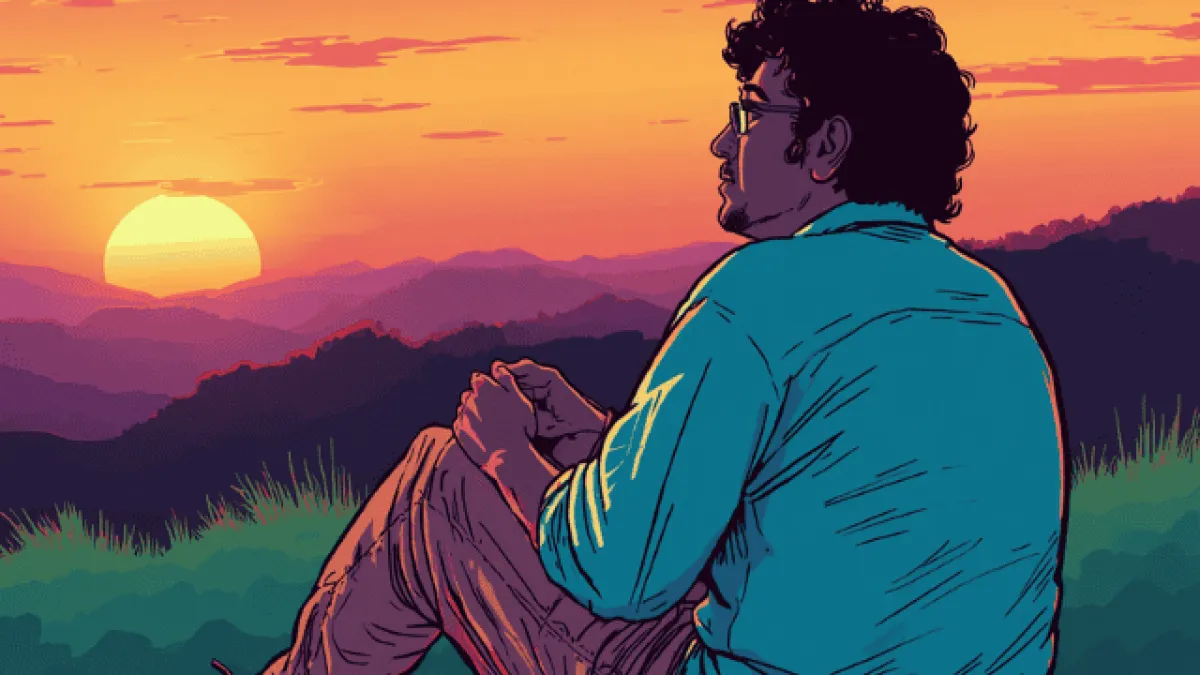
When the doctor called with biopsy results and used the word “Crohn’s,” the patient smiled. After months of unexplained pain, finally hearing a name for the condition felt like a light turning on in a dark room. Relief, not fear, was the first reaction.
The pain had started low on the right side of the abdomen. Appendicitis runs in the family, so that seemed like the obvious answer. Doctors disagreed. The first one asked about stress. At the time, several things in life were going wrong at once. The doctor suggested relaxing, taking time off, and traveling. The patient followed that advice for three months. The pain did not go away. It got worse.
A second doctor gave the same answer: stress. Exercise more, work less, rest more. None of it helped. The patient still woke up in the middle of the night with sharp pain. A third doctor said the same thing. By then, a pattern was clear. “It’s stress” is what people hear when no one can find the real problem. Everyone has stress, so the explanation fits well enough to end the conversation. But the patient knew something was genuinely wrong.
This time, the patient pushed back and insisted it was not stress. The doctor agreed to do a CT scan. The scan showed something in the lower intestine. A GI specialist recommended a colonoscopy with a biopsy. A few days later, the phone rang with the diagnosis: Crohn’s disease.
Crohn’s is a chronic condition. The immune system attacks the digestive tract when it reacts to something, causing inflammation and pain as food passes through. The specialist said this would be a lifelong condition to manage. Without proper care, surgery might be needed to remove damaged parts of the intestine. Medication was prescribed, and the patient was told to change lifestyle and diet.
Crohn’s affects people differently. Triggers vary from person to person. One person might tolerate alcohol but not orange juice. For this patient, the triggers turned out to be alcohol, spicy food, orange juice, greasy fast food, and coffee. Figuring that out took about two years of careful attention, cutting things out, adding them back, and learning what the body could handle. Coffee was the hardest to give up.
A friend once said the patient was lucky to have this condition. The explanation was that the disease would force a healthy lifestyle, better eating habits, and attention to the body in a way most people never do until it is too late. The patient might end up healthier because there was no choice. At the time, that did not make sense. But looking back after about fifteen years, it does.
The foods that caused pain were cut out completely, not most of the time, but all of the time. There have been long stretches without flare-ups. The discipline the disease forced on the patient extended beyond the kitchen. It changed how the body is treated in general.
The experience taught a few lessons. The first is to trust your body and keep advocating for yourself. If something feels wrong and doctors dismiss it, do not stop asking. The patient heard “it’s stress” three times before a test found the truth. Accepting that answer would have meant continued pain or worse. You know your own body better than anyone, and you are allowed to keep pushing until someone listens.
The second lesson is that a hard diagnosis can be a turning point. Not because the illness is good, but because it forces changes that might have been put off for years. It made the patient face habits that would have been ignored forever.
The third lesson is that silver linings are often invisible while you are in the middle of the storm. The friend saw the positive side before the patient did. It took a decade and a half to catch up to that perspective.
If you are waiting for an answer, feeling dismissed, or sitting with news you did not want, no one will tell you it is secretly wonderful. But there are some situations you cannot change, and that is when life asks who you are willing to become. You might not like the assignment. But you may look back and realize it was the thing that changed you for the better.
